Siege of Mekelle

| ← Previous revision | Revision as of 01:25, 19 April 2026 | ||
| Line 37: | Line 37: | ||
The Italians numbered 20 officers, 13 [[non-commissioned officer]]s, and 150 privates, they were supported by 1,000 [[Askari]] and two mountain guns. The Ethiopian army numbered around 27,000 men. |
The Italians numbered 20 officers, 13 [[non-commissioned officer]]s, and 150 privates, they were supported by 1,000 [[Askari]] and two mountain guns. The Ethiopian army numbered around 27,000 men. |
||
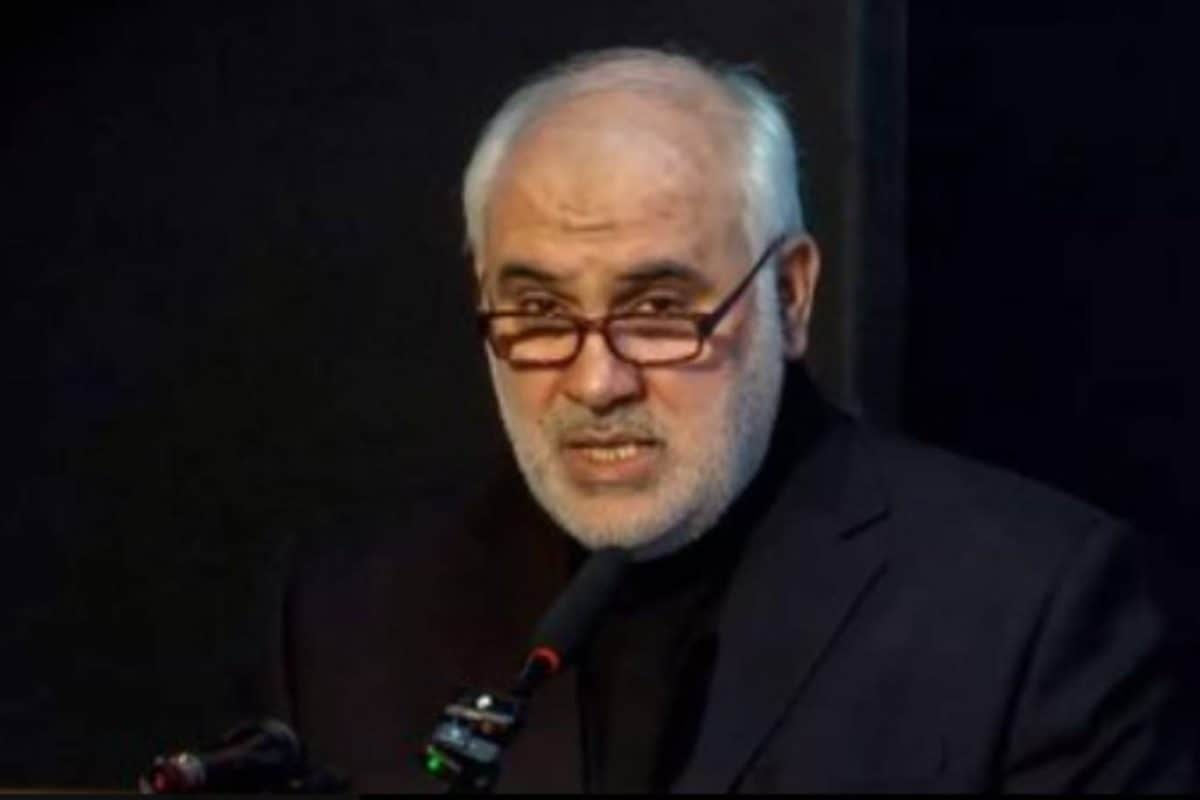
Ras Makonnen |
The first troops of Ras Makonnen's vanguard reached Mekele around December 15th; Galliano attempted to gain time by initiating diplomatic negotiations with Makonnen, but on December 20th the ras broke off negotiations. He then launched a frontal attack against the Italians which was repelled with heavy losses, 500 Ethiopians died on the mountain and numerous others were wounded, including Ras Makonnen. Among the Italians, however, only six dead and nine wounded.{{cite book|title="Between the Jaws of Hyenas": A Diplomatic History of Ethiopia (1876-1896) |last=Caulk |first=Richard |year=2002 |pages=519, 522 |place=Harrassowitz Verlag, Wiesbaden}} |
||
On the morning of 7 January 1896, the defenders of the fort spotted a huge red tent among the besiegers, showing that the emperor had arrived.{{cite book|last1=Perry|first1=James|title=Arrogant Armies|date=2005|publisher=Castle Books|page=209}} After two weeks of bombardment by Ethiopian artillery and very costly attacks on the Italian positions, the Ethiopians managed to cut off the fort's water supply and then fought off desperate Italian attempts to retake the well. On 19 January 1896, the fort's commander, Major Galliano, whose men were dying of dehydration, raised the white flag of surrender.{{cite book|first=Sean|last=Mclachlan|page=22|title=Armies of the Adowa Campaign 1896|date=20 September 2011 |isbn=978-1-84908-457-4}} Major Galliano and his men were allowed to march out, surrender their arms and to go free. Menelik stated he allowed the Italians to go free as "to give proof of my Christian faith," saying his quarrel was with the Italian government of Prime Minister [[Francesco Crispi]] that was trying to conquer his nation and not the ordinary Italian soldiers. |
|||
==References== |
==References== |
||