
Max Horton
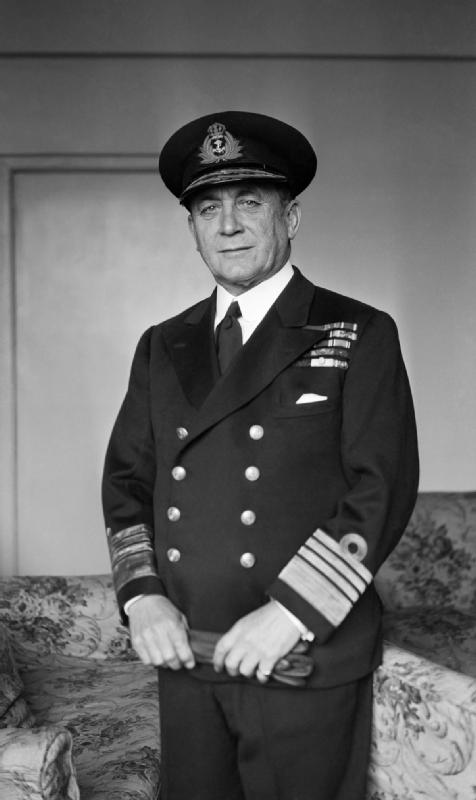
Commander-in-Chief, Western Approaches
| ← Previous revision | Revision as of 10:55, 21 April 2026 | ||
| Line 69: | Line 69: | ||
He instituted a series of tactical changes in the way the escort ships were to be used. In addition to the existing escort group system, in which groups of ships were assigned to defend the perimeter of convoy boxes, Horton instituted a system of support groups, who would also travel with the convoys, but have much more freedom in pursuing submarines to the death, even if such action necessitated leaving the convoy for longer periods of time than were considered acceptable for escort groups. Horton's support groups proved to be decisive in the crucial spring of 1943, taking the battle to the U-boats and crushing the morale of the [[U-boat arm]] with persistent and successful counterattacks. |
He instituted a series of tactical changes in the way the escort ships were to be used. In addition to the existing escort group system, in which groups of ships were assigned to defend the perimeter of convoy boxes, Horton instituted a system of support groups, who would also travel with the convoys, but have much more freedom in pursuing submarines to the death, even if such action necessitated leaving the convoy for longer periods of time than were considered acceptable for escort groups. Horton's support groups proved to be decisive in the crucial spring of 1943, taking the battle to the U-boats and crushing the morale of the [[U-boat arm]] with persistent and successful counterattacks. |
||
Horton is widely credited, along with his predecessor, Admiral Sir [[Percy Lockhart Harnam Noble|Percy Noble]], as |
Horton is widely credited, along with his predecessor, Admiral Sir [[Percy Lockhart Harnam Noble|Percy Noble]], as having been one of the most crucial figures in the Allied victory in the Atlantic. |
||
===Retiremement=== |
===Retiremement=== |
||














